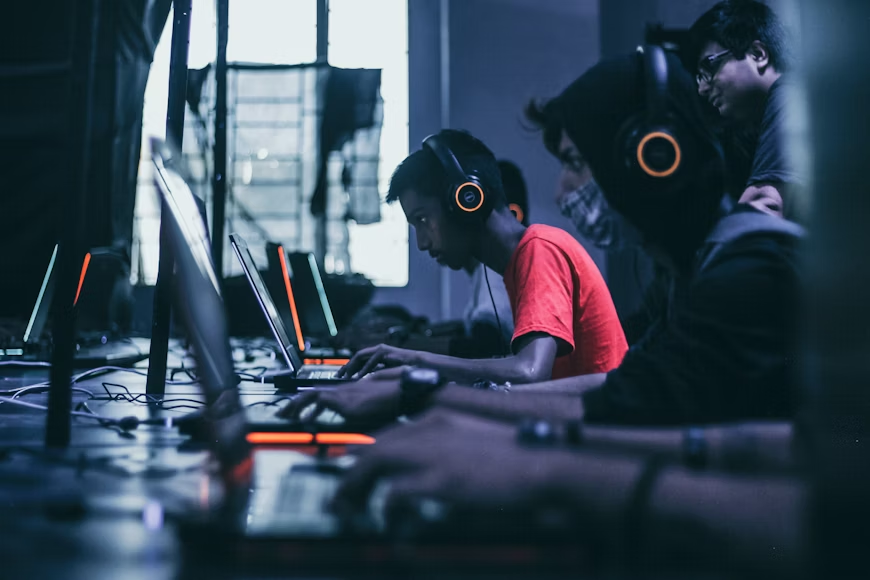
Video games are a central part of modern teenage life. They shape how teens spend their free time, interact with peers, and even how they think and learn. This article explores how video games influence teen behavior, examining both positive and negative effects through psychological, social, and cultural perspectives.
Video Games as a Social and Cultural Environment
Video games are no longer a niche hobby. They are a mainstream form of entertainment that connects millions of teenagers worldwide. Online multiplayer games, streaming platforms, and gaming communities have transformed gaming into a social ecosystem rather than a solitary activity.
For many teens, games serve as a primary space for social interaction. They chat with friends, cooperate in teams, and build online identities. This digital environment shapes communication styles, group behavior, and even social status within peer groups. A skilled player in a popular game may gain the same recognition once associated with athletic or academic success.
Culturally, games also transmit values, narratives, and norms. Stories about conflict, heroism, competition, and survival influence how teens interpret success, failure, and personal identity. Over time, repeated exposure to these themes can subtly shape attitudes toward real-world challenges.
Cognitive and Educational Effects of Video Games
Problem-Solving and Strategic Thinking
Many modern video games require complex decision-making, planning, and adaptability. Strategy games, role-playing games, and puzzle-based titles challenge players to analyze situations, manage limited resources, and anticipate consequences. These skills often transfer to academic and everyday problem-solving.
Studies show that certain games improve spatial awareness, reaction speed, and multitasking ability. Teens who regularly engage with challenging games often demonstrate higher levels of cognitive flexibility — the ability to switch between tasks and adapt to new information quickly.
Motivation and Learning Through Games
Educational games and gamified learning platforms use reward systems, progress tracking, and competition to increase student engagement. For teens who struggle with traditional classroom methods, game-based learning can enhance motivation and persistence.
However, this same reward structure can create dependency on instant feedback and constant stimulation. When traditional learning feels slower or less dynamic, some teens struggle to maintain attention outside the gaming environment.
Emotional and Psychological Impact
Stress Relief and Emotional Regulation
For many teenagers, video games offer a healthy escape from academic pressure, family stress, or social anxiety. Immersive worlds provide temporary relief and give players a sense of control that may be lacking in other areas of life.
Games can also help teens process emotions such as frustration, disappointment, and achievement. Losing a match teaches emotional regulation, while winning builds confidence. In moderation, these experiences can support emotional development.
Risk of Addiction and Emotional Dependence
Problems arise when gaming becomes the primary coping mechanism for emotional discomfort. Some teens develop compulsive gaming habits that interfere with sleep, schoolwork, and real-world relationships.
Behavioral addiction to gaming shares features with other addictions: loss of control, withdrawal symptoms, and continued use despite negative consequences. The design of many games—daily rewards, competitive ranking systems, and endless progression—intentionally encourages prolonged engagement.
Excessive gaming is also associated with mood swings, irritability, anxiety, and reduced interest in offline activities. While gaming itself is not inherently harmful, imbalance can significantly affect emotional wellbeing.
The Link Between Video Games and Aggression
Violent Content and Behavioral Responses
One of the most debated topics is whether violent video games increase aggressive behavior in teens. Action games often feature combat, weapons, and graphic imagery. Critics argue that repeated exposure to such content may desensitize players to violence and normalize aggressive responses.
Some psychological studies suggest short-term increases in aggressive thoughts after gameplay. However, long-term effects are more complex and influenced by personality traits, family environment, and social context.
Correlation Does Not Equal Causation
It is important to distinguish between correlation and causation. Teens who are already prone to aggression may be drawn to violent games rather than shaped by them. Social factors such as peer influence, stress, and family conflict often play a greater role in aggressive behavior than gaming alone.
Most researchers now agree that video games are one factor among many, not a standalone cause of violent behavior.
Social Development and Online Interaction
Teamwork, Leadership, and Communication Skills
Multiplayer games encourage cooperation, role distribution, and rapid communication. Teens learn to coordinate strategies, resolve conflicts, and lead teams under pressure. These experiences can positively affect real-world social skills, especially for teens who struggle with face-to-face communication.
For socially anxious adolescents, online gaming communities offer a low-risk space to practice interaction and build confidence.
Toxic Behavior and Cyberbullying
At the same time, online gaming environments can expose teens to harassment, hate speech, and bullying. Anonymity often reduces accountability, leading to verbal abuse and hostile behavior.
Prolonged exposure to toxic online interactions can harm self-esteem, increase stress, and normalize aggressive communication patterns. Without guidance, teens may internalize or replicate this behavior in offline settings.
Physical Health and Lifestyle Effects
Sedentary Behavior and Sleep Disruption
Excessive gaming contributes to a sedentary lifestyle, which increases risks of obesity, posture problems, and eye strain. Long gaming sessions often replace physical activity, outdoor play, and face-to-face socialization.
Sleep is another major concern. Late-night gaming disrupts natural sleep cycles, leading to chronic fatigue, reduced academic performance, and emotional instability. Blue light exposure from screens further interferes with melatonin production, making it harder for teens to fall asleep.
Active Gaming and Physical Engagement
Not all gaming is physically passive. Motion-controlled games, virtual reality fitness games, and sports simulations can promote movement and coordination. While they are not substitutes for regular exercise, they can reduce the gap between screen time and physical activity.
Academic Performance: Help or Hindrance?
Video games can both support and undermine academic success, depending on usage patterns.
Moderate gaming has been linked to improved attention skills, faster information processing, and better stress management. These benefits can indirectly support learning.
However, excessive gaming often leads to procrastination, reduced homework completion, and lower grades. When gaming displaces study time and sleep, academic performance tends to decline.
The key factor is not whether teens play video games, but how much, what they play, and how well gaming is balanced with school responsibilities.
Parental Influence and Home Environment
The impact of video games on teen behavior is strongly shaped by parental involvement. Teens whose parents set clear boundaries around screen time, monitor game content, and engage in discussions about online behavior tend to experience fewer negative effects.
Parental modeling also matters. When adults demonstrate balanced media use and healthy coping strategies, teens are more likely to develop similar habits.
Open communication helps teens reflect on game themes such as violence, competition, and social conflict. This reflection transforms passive consumption into active learning.
The Role of the Gaming Industry
Game developers intentionally design systems that maximize engagement. Reward loops, achievement systems, limited-time events, and social competition are powerful psychological tools.
While these mechanisms enhance entertainment value, they also blur the line between enjoyment and manipulation. Ethical concerns arise when game mechanics intentionally exploit impulsivity and fear of missing out, especially among young users.
Responsible game design and transparent age-appropriate labeling can reduce harm without restricting creative expression.
Gender, Identity, and Representation in Games
Video games play a powerful role in shaping teen identity, particularly through representation of gender, race, and social roles. Historically, many games portrayed male protagonists and hypersexualized female characters. While the industry is becoming more inclusive, stereotypes still persist.
For teens, repeated exposure to narrow identity models can influence self-perception and expectations. Diverse and realistic representation allows broader identification and more balanced identity development.
Online gaming also provides a space for exploring identity beyond real-world labels. For some teens, this exploration is empowering. For others, it may create confusion if not supported by real-world guidance.
Long-Term Behavioral Patterns
The habits formed during adolescence often carry into adulthood. Teens who learn to balance gaming with education, relationships, and physical health are more likely to maintain healthy digital behavior later in life.
In contrast, unmanaged gaming addiction, social withdrawal, and emotional dependence on virtual worlds can persist and affect career development, relationships, and mental health.
Video games do not determine teen behavior on their own. They interact with personality traits, family dynamics, education systems, and broader social influences.
Key Takeaways
- Video games are a major social and cultural environment for modern teens.
- Moderate gaming can enhance cognitive skills such as problem-solving and strategic thinking.
- Excessive gaming is linked to emotional dependence, sleep disruption, and academic decline.
- Violent games may influence short-term aggression, but they are not the sole cause of violent behavior.
- Online gaming supports social development but also exposes teens to cyberbullying and toxic communication.
- Parental guidance and home environment strongly shape the impact of gaming.
- Responsible game design and balanced usage reduce long-term behavioral risks.
FAQ
Q1: Do video games make teenagers more aggressive?
Video games alone do not cause aggression. They may influence short-term emotional responses, but long-term behavior is shaped by multiple social, psychological, and environmental factors.
Q2: How many hours of gaming are considered safe for teens?
Most experts recommend no more than 1–2 hours per day on school days, with flexibility on weekends, provided that sleep, academics, and physical activity are not affected.
Q3: Can video games improve academic skills?
Certain games improve attention, spatial skills, and problem-solving, but these benefits depend on moderation and game type.
Q4: Is gaming addiction a real medical condition?
Yes. Gaming disorder is recognized by the World Health Organization as a behavioral addiction when it significantly interferes with daily life.
Q5: How can parents reduce negative gaming effects?
By setting clear screen-time limits, monitoring content, encouraging physical activity, and maintaining open communication about online experiences.
Conclusion
Video games are a powerful influence on teen behavior, shaping how adolescents think, feel, learn, and interact with others. They offer cognitive benefits, social connection, and emotional relief, but also carry risks when used without limits. The true impact of gaming depends not on the technology itself, but on how it is integrated into a teen’s daily life. With balanced use, thoughtful guidance, and responsible design, video games can remain a meaningful part of teenage development without undermining long-term wellbeing.