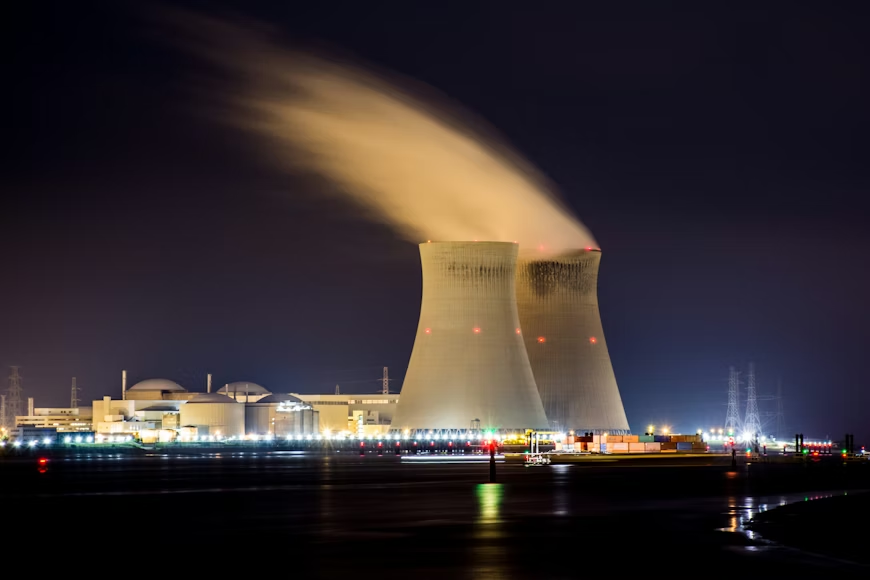
As the world confronts climate change and an urgent need to reduce carbon emissions, energy sources have come under intense scrutiny. Renewable solutions like solar and wind are growing rapidly, but they face limitations in consistency and storage. Nuclear energy, with its ability to produce large amounts of low-carbon electricity, has reemerged as a critical topic in debates about sustainability. This article explores whether nuclear energy can realistically serve as a cornerstone of a sustainable future, examining its benefits, risks, and broader implications.
Understanding Nuclear Energy
Nuclear energy is produced through the process of nuclear fission, where the nuclei of heavy atoms such as uranium or plutonium split, releasing substantial amounts of heat. This heat generates steam, which drives turbines to produce electricity. Unlike fossil fuels, nuclear power plants do not emit carbon dioxide during operation, making them attractive in the fight against climate change.
Historical Context
The first nuclear power plants appeared in the mid-20th century, initially driven by technological innovation and post-war optimism. Early proponents envisioned a future “powered by the atom,” offering virtually limitless energy. Over time, however, accidents such as Chernobyl in 1986 and Fukushima in 2011 highlighted the potential dangers, resulting in public skepticism and policy shifts in many countries.
The Case for Nuclear Energy in Sustainability
Proponents argue that nuclear energy offers several advantages crucial for a sustainable future.
Low Carbon Emissions
Nuclear power produces minimal greenhouse gases during operation. For countries aiming to meet ambitious carbon reduction targets, this feature is particularly valuable. Even when considering the full lifecycle—including mining, construction, and decommissioning—nuclear energy remains significantly cleaner than coal or natural gas.
High Energy Density and Reliability
Nuclear reactors generate large amounts of electricity from relatively small amounts of fuel. Unlike solar or wind energy, which are intermittent and dependent on weather conditions, nuclear plants provide a stable, continuous power supply. This reliability can complement renewable energy sources, reducing the need for large-scale energy storage solutions.
Longevity and Base Load Support
Modern nuclear plants operate for 40 to 60 years, providing long-term energy stability. They can act as a “base load” source, ensuring consistent electricity supply even when renewables fluctuate. This combination of longevity and reliability makes nuclear energy attractive for large, industrialized economies.
Addressing the Risks
Despite its advantages, nuclear energy carries significant challenges that must be addressed.
Safety Concerns
High-profile accidents, though rare, have left lasting impressions on the public. Nuclear accidents can release radioactive material with long-term environmental and health consequences. Regulatory oversight, advanced reactor designs, and strict safety protocols are critical to mitigating these risks.
Nuclear Waste Management
Spent nuclear fuel remains radioactive for thousands of years, creating complex storage and disposal issues. While solutions such as deep geological repositories are under development, long-term waste management remains a central concern in debates about nuclear energy.
High Costs and Construction Timelines
Building nuclear power plants requires substantial upfront investment, often in the tens of billions of dollars, and can take a decade or more to complete. While operational costs are relatively low, the financial and temporal barriers make nuclear energy a challenging option for countries seeking rapid decarbonization.
Technological Innovations and the Future of Nuclear Power
New technologies promise to address some traditional drawbacks of nuclear energy.
Small Modular Reactors (SMRs)
SMRs are compact reactors designed for incremental deployment. They offer enhanced safety, lower construction costs, and the flexibility to integrate with renewable energy systems. By reducing the scale of projects and allowing modular expansion, SMRs could make nuclear energy more accessible and adaptable to modern grid needs.
Advanced Reactor Designs
Generation IV reactors and thorium-based systems aim to improve efficiency, reduce waste, and minimize the risk of accidents. These designs incorporate passive safety features, meaning that natural physical processes can shut down reactors in emergencies without human intervention.
Nuclear Fusion
Fusion, the process powering the sun, promises nearly limitless, low-waste energy. Although commercial fusion remains experimental, ongoing research could eventually provide a revolutionary energy source. If achieved, fusion could redefine the role of nuclear energy in sustainability.
Environmental Considerations Beyond Carbon
While nuclear energy is low in carbon emissions, other environmental factors must be considered.
Land Use and Water Requirements
Nuclear plants require substantial land and water resources. Cooling systems often depend on large volumes of water, impacting aquatic ecosystems. Careful site selection and advanced cooling technologies are necessary to minimize ecological disruption.
Mining and Resource Depletion
Uranium and other nuclear fuels must be mined, a process with environmental and social impacts. Sustainable mining practices and the development of fuel recycling technologies are essential to reducing the ecological footprint of nuclear energy.
Comparing Nuclear Energy to Renewable Sources
A sustainable future likely requires a combination of energy sources. Comparing nuclear power to renewables offers perspective.
Reliability vs. Intermittency
Solar and wind are highly dependent on environmental conditions, often producing energy when demand is low. Nuclear provides consistent output, which can stabilize energy grids and reduce reliance on backup fossil fuels.
Speed of Deployment
Renewables can be deployed rapidly and at smaller scales, making them attractive for immediate carbon reduction. Nuclear energy requires long construction periods but contributes significantly once operational.
Integration into Energy Portfolios
Many experts advocate a hybrid approach: renewables provide clean energy when conditions allow, while nuclear supplies base load power to maintain grid stability. This combination maximizes both sustainability and reliability.
Economic and Social Dimensions
Nuclear energy impacts not only the environment but also economies and societies.
Job Creation and Industrial Growth
Nuclear plants create high-skilled jobs in engineering, construction, and operations. Local economies often benefit from sustained employment and industrial development.
Energy Security
Nuclear power reduces dependence on fossil fuel imports, enhancing energy security for countries with limited natural resources. Stable electricity supplies also support economic stability and industrial competitiveness.
Public Perception and Acceptance
Public fear of accidents and waste has slowed nuclear expansion in many countries. Effective communication, transparency, and community engagement are essential to building social acceptance and trust.
Policy Considerations for a Nuclear Future
Governments play a pivotal role in determining nuclear energy’s place in sustainability.
Regulatory Frameworks
Strong regulations ensure safety, environmental protection, and responsible waste management. Clear guidelines and independent oversight increase public confidence and investment security.
Incentives and Financing
Policies supporting research, subsidies for advanced reactors, and public-private partnerships can make nuclear projects financially viable. Without such frameworks, high costs and risks deter investment.
International Cooperation
Global collaboration on safety standards, research, and fuel supply can enhance nuclear energy’s contribution to sustainability. Sharing best practices and pooling resources accelerate technological innovation and reduce risks.
Key Takeaways
- Nuclear energy generates large amounts of low-carbon electricity, supporting climate goals.
- Its reliability and high energy density complement intermittent renewable sources.
- Safety concerns, nuclear waste, and high upfront costs remain major challenges.
- Small modular reactors and advanced designs offer potential solutions.
- Environmental impacts extend beyond carbon, including land use and mining considerations.
- Nuclear energy supports jobs, industrial growth, and energy security.
- A sustainable energy future likely requires a hybrid approach combining nuclear and renewables.
- Policy, regulation, and public engagement are critical to realizing nuclear energy’s potential.
FAQ
Is nuclear energy truly low-carbon?
Yes. While construction and fuel processing produce some emissions, operational nuclear power plants emit minimal greenhouse gases compared to coal or natural gas.
What happens to nuclear waste?
Spent fuel remains radioactive for thousands of years and requires secure storage. Solutions include deep geological repositories and advanced recycling technologies.
Are nuclear power plants safe?
Modern reactors incorporate multiple safety systems. While accidents are rare, risks remain, necessitating stringent regulation and oversight.
How does nuclear energy compare to renewables?
Nuclear provides reliable base load power, whereas renewables are intermittent. Combining both can create a balanced, low-carbon energy portfolio.
Can nuclear energy solve climate change alone?
No single energy source can suffice. Nuclear energy is part of a diversified strategy that includes renewables, efficiency measures, and policy interventions.
Conclusion
Nuclear energy presents a complex yet promising pathway toward a sustainable future. Its ability to provide large-scale, low-carbon, and reliable electricity makes it a powerful complement to renewable sources. However, challenges related to safety, waste management, cost, and public acceptance cannot be ignored. Realizing nuclear energy’s potential requires technological innovation, regulatory rigor, and careful integration into a diverse energy portfolio. While not a singular solution, nuclear energy could play a vital role in achieving global sustainability goals.