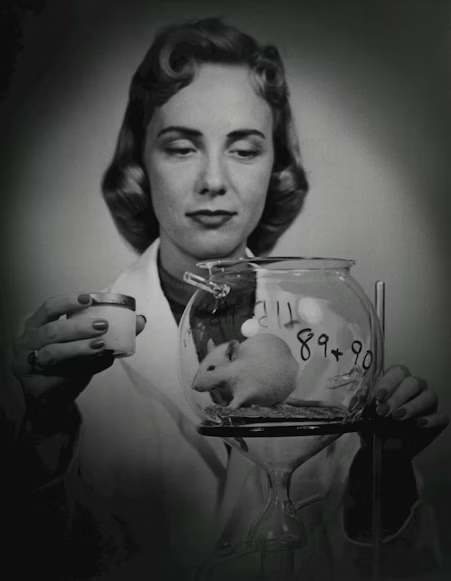
Animal testing has been a cornerstone of scientific research and product development for over a century, yet it remains one of the most controversial practices in modern science. From pharmaceuticals to cosmetics, millions of animals are used in laboratories every year, prompting debates about ethics, necessity, and alternatives. This article explores whether animal testing should be banned worldwide, analyzing its scientific benefits, ethical dilemmas, and potential alternatives.
The Role of Animal Testing in Science
Animal testing, also called animal experimentation or vivisection, involves using animals to study biological processes, test drug safety, and develop new treatments. Common test subjects include rodents, rabbits, primates, and even pigs, chosen for their physiological similarities to humans.
Historical Context
The practice dates back to ancient Greece, where researchers used animals to explore anatomy and physiology. In the modern era, animal testing became integral to medical progress, including the development of vaccines, antibiotics, and surgical techniques. However, as society’s ethical standards evolved, concerns about animal welfare began to challenge its widespread use.
Scientific Justifications
Proponents argue that animal testing is often necessary to ensure human safety. Animal models can mimic complex biological systems that in vitro experiments cannot fully replicate. For instance, studying drug metabolism, toxicity, or disease progression often requires a whole organism, making animal testing a crucial step before human clinical trials.
Ethical Concerns Surrounding Animal Testing
The primary debate centers on the moral status of animals and the balance between human benefit and animal suffering.
Animal Welfare and Rights
Animals used in laboratories can experience pain, stress, and confinement. Ethical critics argue that subjecting sentient beings to invasive procedures for human benefit constitutes cruelty. Concepts like the Three Rs—Replacement, Reduction, and Refinement—have emerged to guide ethical animal research, but concerns persist that these principles are insufficiently applied.
Speciesism and Moral Responsibility
Some philosophers assert that prioritizing human benefit over animal suffering reflects speciesism—a bias favoring one species over another. If humans reject unnecessary harm to fellow humans, the ethical consistency question arises: should animals be afforded similar moral consideration?
Public Perception and Social Pressure
Growing awareness of animal welfare has influenced legislation and public opinion. Bans on animal testing for cosmetics in the European Union, India, and parts of the United States reflect societal shifts, emphasizing ethical responsibility alongside scientific necessity.
The Scientific Debate: Necessity vs. Alternatives
While animal testing has historically advanced medicine, critics argue that modern technology provides alternatives.
In Vitro Testing
Cell cultures, organoids, and tissue models allow researchers to study human biology directly. For example, liver organoids can model drug metabolism without involving animals. Although promising, in vitro models may not fully replicate the complexity of entire organisms, limiting their standalone applicability.
Computational Models
Artificial intelligence and computer simulations can predict toxicity, pharmacokinetics, and disease progression. These approaches reduce reliance on animals and can accelerate research, yet they require large datasets and validation against real-world biology, sometimes still derived from animal studies.
Microdosing and Human-Based Trials
Microdosing involves administering very small, sub-therapeutic drug amounts to human volunteers. Combined with advanced imaging, this approach can provide early safety data without extensive animal testing. Ethical and regulatory frameworks continue to evolve to support such methods.
Global Policies and Regulations
Countries vary widely in their stance on animal testing, reflecting cultural, economic, and ethical differences.
European Union
The EU has led the charge in banning cosmetic testing on animals, mandating alternative methods. Regulations also enforce strict oversight for biomedical research, ensuring minimal suffering and ethical review.
United States
The U.S. regulates animal testing through the Animal Welfare Act and the Public Health Service Policy. While oversight exists, there is no comprehensive ban on animal testing for products, and ethical review boards (IACUCs) oversee laboratory protocols.
Developing Nations
In many developing countries, animal testing regulations are less strict, often driven by cost considerations and limited infrastructure for alternatives. Global coordination and technology transfer are essential to ensure humane practices worldwide.
Pros and Cons of a Worldwide Ban
A universal ban on animal testing would have profound implications for science, industry, and ethics.
Potential Benefits
- Enhanced Animal Welfare: Millions of animals would be spared pain and confinement.
- Ethical Consistency: Aligning global practices with evolving moral standards would reinforce societal values.
- Innovation Incentives: A ban would accelerate the development of alternative testing methods, promoting safer and more human-relevant models.
Potential Challenges
- Medical Setbacks: Immediate bans could hinder drug development, potentially delaying life-saving treatments.
- Regulatory and Infrastructure Limitations: Not all countries currently have validated alternative methods or the resources to implement them.
- Scientific Uncertainty: Some biological mechanisms cannot yet be reliably studied without animal models, particularly for complex diseases.
Balancing Act
A phased approach – gradually reducing animal use while investing in alternatives – may be the most practical solution. Ethical review, funding for new technologies, and international collaboration can help reconcile scientific progress with animal welfare.
Case Studies: Successes and Innovations
Cosmetics
The EU ban on animal-tested cosmetics has not stalled innovation; companies increasingly use in vitro testing, computer modeling, and synthetic biology to develop safe products.
Pharmaceuticals
Some drugs, such as certain chemotherapy agents, have relied on animal models for safety testing. However, advances in organ-on-a-chip technology are now providing human-relevant data, suggesting that a transition away from animal testing is feasible over time.
Vaccine Development
Vaccines remain a critical area where animal testing has traditionally played a role. Emerging methods, including human organoid systems and computational modeling, are increasingly supplementing animal data, potentially reducing future reliance on animals.
Ethical Frameworks for the Future
Adopting universal ethical standards for animal research is essential. Principles such as the Three Rs provide a foundation, but global coordination, transparency, and enforcement are necessary to ensure consistent implementation.
Replacement
Whenever possible, animals should be replaced with alternative methods, such as cell cultures, computer models, or human-based research.
Reduction
Minimizing the number of animals used without compromising research quality helps balance scientific needs with ethical responsibility.
Refinement
Improving experimental design and care to reduce pain and distress ensures that animal use is as humane as possible when alternatives are not yet viable.
Key Takeaways
- Animal testing has historically contributed to medical and scientific advances.
- Ethical concerns about pain, suffering, and speciesism have driven calls for bans.
- Alternatives such as in vitro models, computational simulations, and microdosing are increasingly viable.
- Global regulations vary, reflecting cultural and economic differences.
- A worldwide ban poses challenges, including potential delays in medical research.
- Phased reduction and investment in alternatives can reconcile ethics with scientific progress.
- Public perception and societal values are increasingly influencing policy and corporate behavior.
- Adoption of ethical frameworks like the Three Rs is crucial for humane research practices.
FAQ
Is animal testing still necessary for medicine?
While alternatives are advancing, certain complex biological processes still require animal models for safety and efficacy testing.
Are there global standards for animal testing?
Standards vary widely. The EU has strict regulations, the U.S. has oversight frameworks, and many developing countries have minimal regulations.
What are some alternatives to animal testing?
Alternatives include in vitro cell cultures, organoids, computer modeling, and human microdosing studies.
Can animal testing be entirely replaced?
Eventually, yes, but some areas of research—particularly involving complex diseases—may require transitional solutions.
How can companies comply ethically without slowing research?
Investing in alternative technologies, adhering to the Three Rs, and transparent reporting can ensure ethical compliance while maintaining scientific progress.
Conclusion
The question of whether animal testing should be banned worldwide is complex, balancing ethical responsibility with scientific necessity. While historical reliance on animal models has advanced human health, evolving moral standards and technological innovations challenge the status quo. A gradual transition toward alternatives, guided by ethical principles and global cooperation, offers a path that respects both human progress and animal welfare. By prioritizing humane practices, investing in innovative research methods, and fostering international standards, the scientific community can move toward a future where animal testing becomes increasingly unnecessary.